Best Overall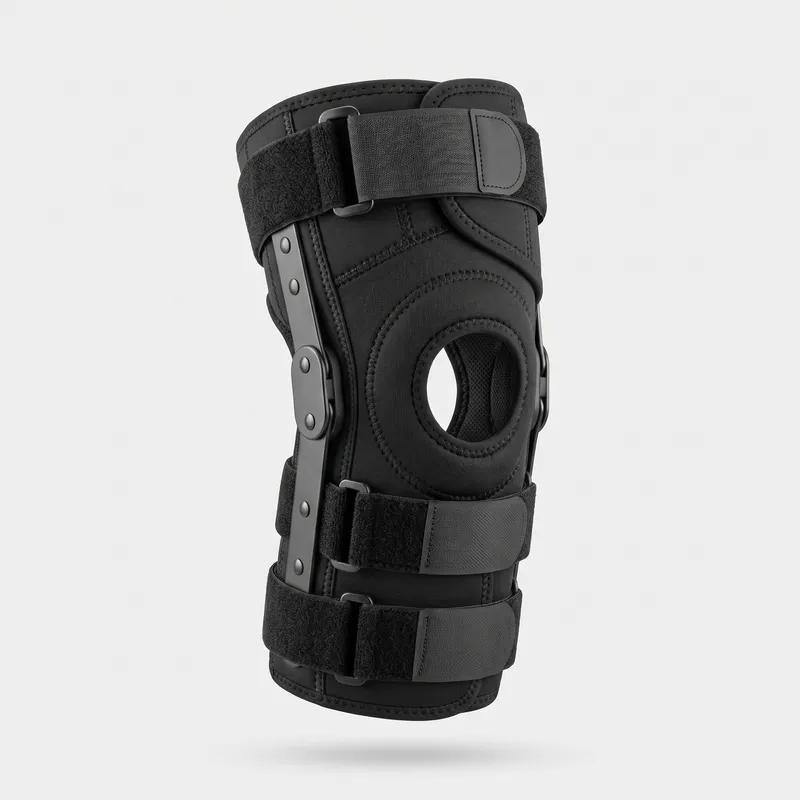
DonJoy Bionic FullStop
★★★★★ 4.5
Dual-hinge stability for ligament recovery and aggressive lateral play.
Check PriceShort answer: for most players the DonJoy Bionic FullStop hinged brace gives the best stability; if you only need light knee support for mild aches, a compression sleeve like the Bauerfeind GenuTrain is enough. Five braces compared on stability, comfort and fit below.
Independent, reader-supported reviews. We may earn a commission from links on this page at no extra cost to you. This never changes our ratings.
Four standouts for four different needs. Full reviews below.
Dual-hinge stability for ligament recovery and aggressive lateral play.
Check Price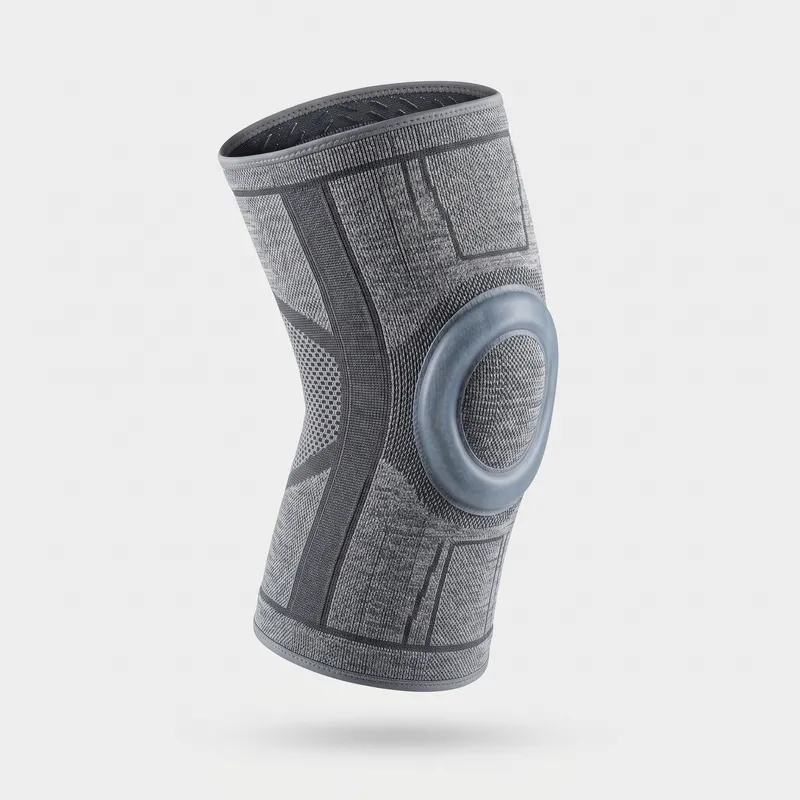
Medical-grade knit compression with a silicone patella ring for all-day comfort.
Check Price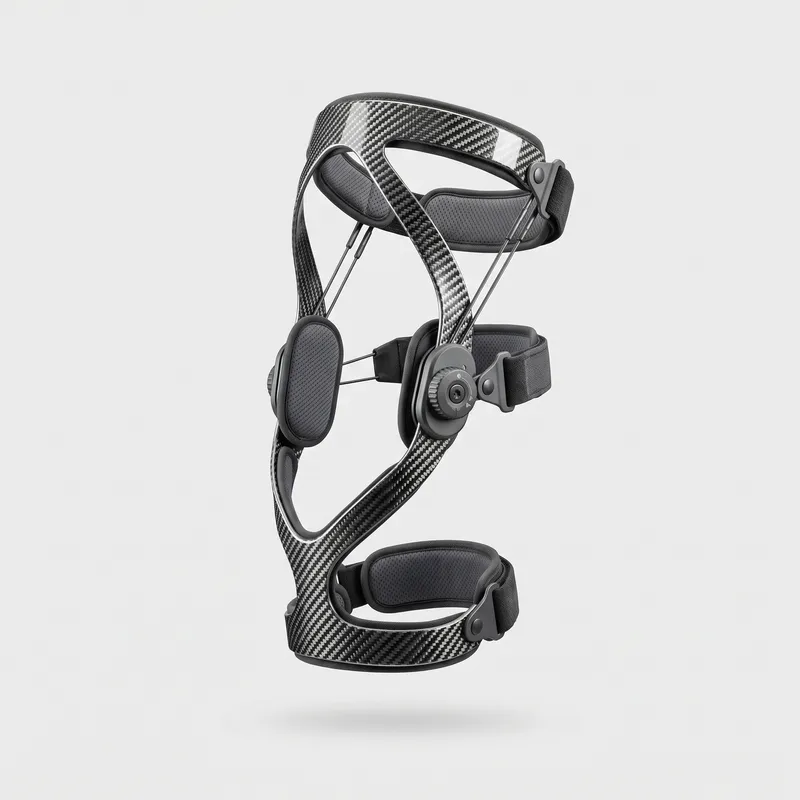
Custom 3D-fit unloader that offloads up to 40 lb from an arthritic compartment.
Check Price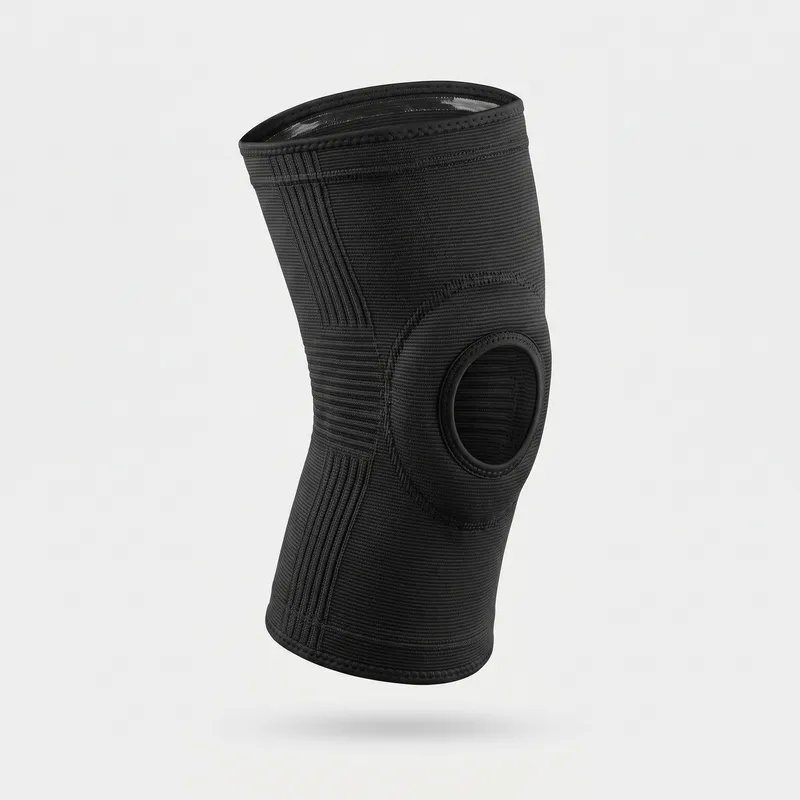
Moisture-wicking compression at about a quarter of the price of premium sleeves.
Check Price| Brace | Type | Best for | Price | Score |
|---|---|---|---|---|
| DonJoy Bionic FullStop | Dual-hinge rigid | Ligament injury, lateral stability | $$$ | 9.3 |
| Bauerfeind GenuTrain | Knit compression | Pain relief, mild instability | $$ | 9.0 |
| Ascender Unloader | Custom unloader | Osteoarthritis, chronic pain | $$$$ | 8.7 |
| Sleeve Stars Sleeve | Compression sleeve | Budget, all-day comfort | $ | 8.4 |
| Hyperice X Knee | Hot/cold therapy | Post-play recovery | $$$ | 8.2 |
Pickleball looks gentle, but the biomechanics say otherwise. The court is small, so reactions are quicker and direction changes more abrupt. Constant side-to-side shuffling, sudden stops, and lunging for low balls load the ligaments and meniscus — and harder outdoor courts transmit more impact straight to the joint.
The usual injuries: ligament sprains from aggressive pivots, meniscus tears and ACL strain from sudden stop-and-pivot, and flare-ups for anyone with existing osteoarthritis. Learn to tell normal post-play soreness (gone in 24–48 hrs) from injury pain (persistent, worsens with specific moves, swelling). Not sure which type you need? Read our comparison of knee sleeves vs. knee braces for pickleball. For background, see the AAOS guide to knee braces.
Light (2–4 oz), full range of motion. Graduated pressure improves circulation and proprioception. Best for prevention and mild swelling.
Prevention · comfortHeavier (8–12 oz) with side hinges that stop the knee at safe angles. Maximum lateral stability for ligament protection.
Stability · recoveryRigid frame (10–16 oz) that shifts load off the painful, arthritic compartment to widen joint space and reduce pain.
ArthritisSpecs, our verdict, and the honest trade-offs.
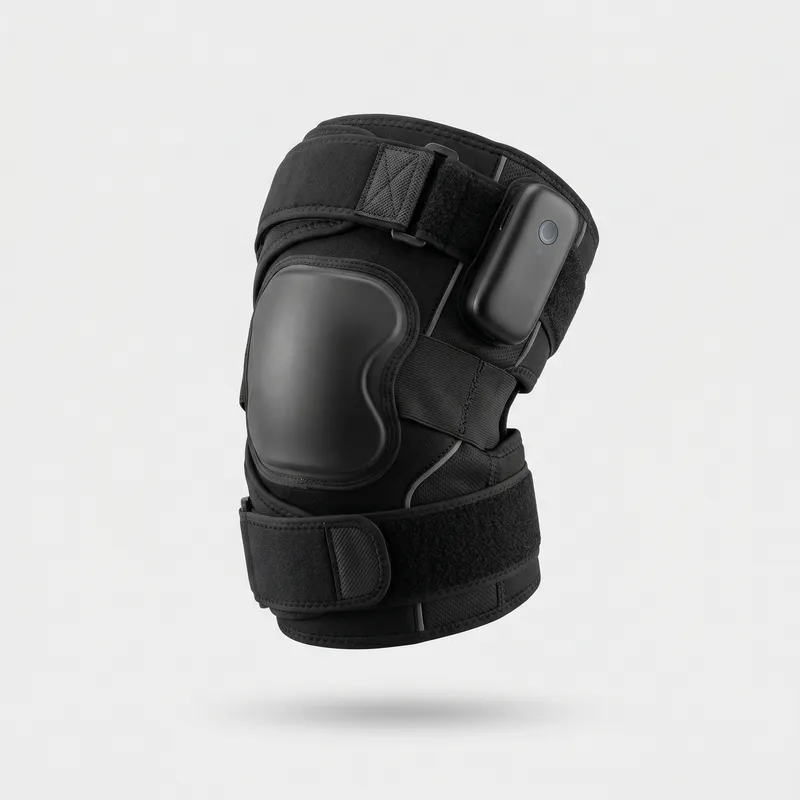
The Bionic FullStop uses dual aluminum hinges that set a firm mechanical stop at the extremes of motion, which is what protects a ligament on a hard crosscourt lunge. The low-profile frame is slim enough to wear under athletic pants, and the hook-and-loop strap system is designed to resist rotation. Owner reviews commonly mention a break-in period of a couple of sessions before it stops feeling restrictive. It is the most protective option here for players coming back from an ACL or MCL injury.
The GenuTrain is widely treated as the comfort benchmark among knee sleeves. It combines graduated knit compression with a silicone ring around the kneecap, which Bauerfeind says improves proprioception and kneecap tracking during lateral moves. The breathable knit is designed to stay in place without saturating, a common complaint about cheaper sleeves. It is machine washable and backed by a 60-day guarantee.
More at the Bauerfeind pickleball page.
The Ascender is fabricated from a 3D scan of your leg, so the fit is custom rather than off-the-shelf. Icarus Medical says it can offload up to 40 lb from the painful compartment, and the hybrid rigid/flexible frame is built to let you bend fully for low balls. It is lighter and less bulky than traditional unloaders, but it needs a professional scan and about three weeks of fabrication. For players whose osteoarthritis cuts sessions short, it is the most targeted option on this list.
Sleeve Stars is the value pick: a moisture-wicking, open-patella compression sleeve at about a quarter of the price of premium sleeves. Compression is moderate and even, enough for recreational play and mild discomfort but not for real ligament instability. Owner reviews generally report that it holds its elasticity through regular washing. It makes sense as a first brace before you spend $100 or more.
This isn't on-court protection; it's a recovery tool. The X Knee combines compression with cold (around 45°F) and heat (up to 113°F) and holds a set temperature, which a loose ice pack cannot. A common routine is 20 minutes of cold after play and gentle heat before the next session. App control lets you set the temperature precisely.
If you want one safe default, start with our Best Overall — the DonJoy Bionic FullStop balances real stability with everyday comfort.
See the Top Pick →Match the support to your situation on the court.
Past ligament injury (ACL/MCL) or you want confidence on aggressive lateral cuts. Dual hinges prevent hyperextension.
Mild OA, patellar tracking, or general aches. Compression without the bulk, ideal for all-day wear.
Moderate-to-severe OA that's shortening your sessions. Custom offloading can give the time back.
Recreational play or a backup. Try compression before investing in a premium option.
A poorly fitting brace doesn't just underperform — it slips, rotates, and can create new pressure points. Sizing isn't universal: a "Large" in one brand can be a "Medium" in another. Measure, then check the brand's chart.
Circumference at the kneecap center, plus 6 inches above and below. Record all three.
Never assume sizes match across brands. Between sizes? Size up for sleeves, down for hinged braces.
Align hinges with the knee's pivot point; fasten the middle strap first, then alternate upper/lower so it sits centered.
10 squats, 10 lateral lunges each side, 10 light jumps. It should stay put with no pinching or migration.
Machine-wash compression sleeves cold in a mesh bag with mild detergent and always air-dry — heat destroys elastic. Hand-wash hinged braces in cool soapy water, rinse, pat dry, and air-dry fully; wipe metal hinges dry. Store flat or hanging, not crumpled in a gym bag, and let braces air out between sessions. For broader knee-health context, Hospital for Special Surgery has solid resources.
Only if a physician prescribes it for a specific condition. For sports, wear it during activity and take it off afterward so your joint and muscles work normally. Constant wear can lead to muscle dependency, so we keep brace use to pickleball and similar activity unless a doctor says otherwise.
They reduce strain and improve stability, but they're not a guarantee. Warm-ups, strength training, and listening to your body matter just as much. Treat a brace as one tool in the kit, not the whole solution.
Taping is flexible and customizable but must be reapplied each session with proper technique. Braces give consistent, repeatable structure and last longer for regular play — more practical for most pickleball players.
Yes. Knee braces aren't gender specific — fit comes down to sizing. Measure carefully and follow the manufacturer's chart; that determines fit and performance, not gender.
No. Hinged braces give structural stability through rigid frames, compression sleeves give graduated pressure, and unloader braces redistribute pressure off an arthritic compartment. Pick the category that matches your need.
Yes — a thin compression sleeve under a hinged brace is common, especially after surgery. The sleeve manages swelling and wicks moisture while the brace adds structure. Just make sure the sleeve is thin enough not to affect the brace's fit.
Compression sleeves feel natural within one session. Hinged braces usually need 2–3 sessions (4–6 hours of play) to stop feeling restrictive. Ease in with lighter practice before competitive play.
Used during activity only (not 24/7), no. Pair brace use with quad and hamstring strengthening. The brace supports high-stress activity — it doesn't replace strong, functional muscles.
Replace sleeves when they lose elasticity and start slipping. Replace hinged braces if hinges loosen or break, straps stop holding, or the frame cracks. Budget sleeves can fade after 2–3 months of regular use; quality hinged braces last years with care.
Based on our research, the DonJoy Performance Bionic FullStop is our top pick for maximum stability — the dual hinges give real, consistent support for ligament recovery and aggressive lateral play without feeling like a cage. For comfort and pain management, the Bauerfeind GenuTrain is the compression benchmark, with a 60-day guarantee that lowers the risk. Players managing osteoarthritis should weigh the Ascender Unloader — pricey, but the custom offloading can give back the playing time arthritis takes away. On a budget, the Sleeve Stars sleeve punches well above its price, and the Hyperice X Knee rounds things out for recovery.
A brace is one tool. Pair it with a 10-minute dynamic warm-up, quad/hamstring strength work 2–3× per week, and honest attention to warning signs. A brace works best as part of that routine, not instead of it. Don't let knee pain sideline you.